Description
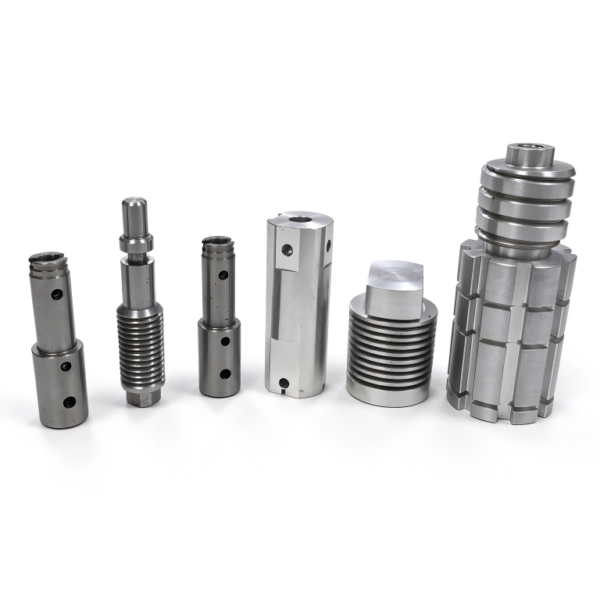
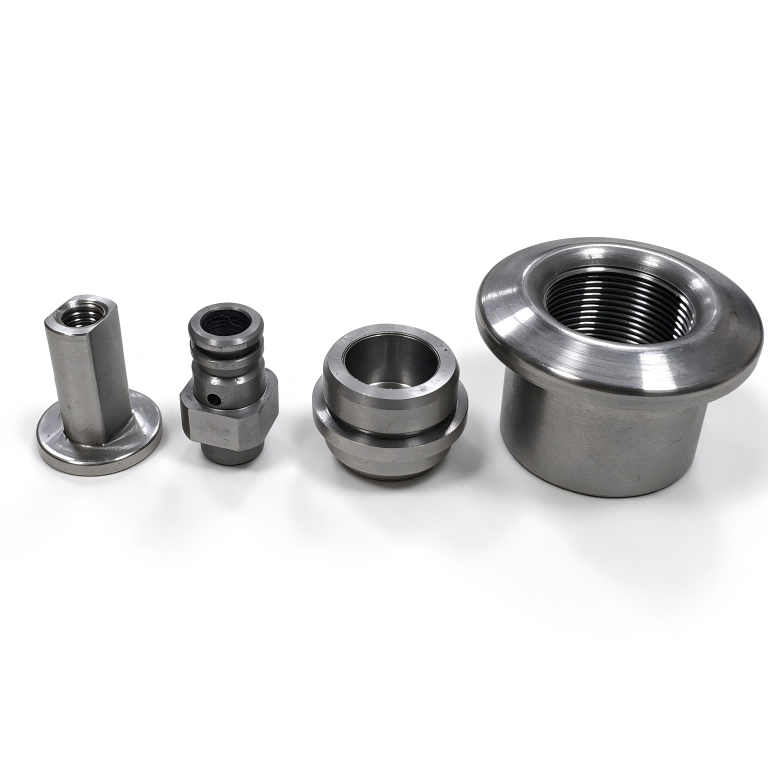
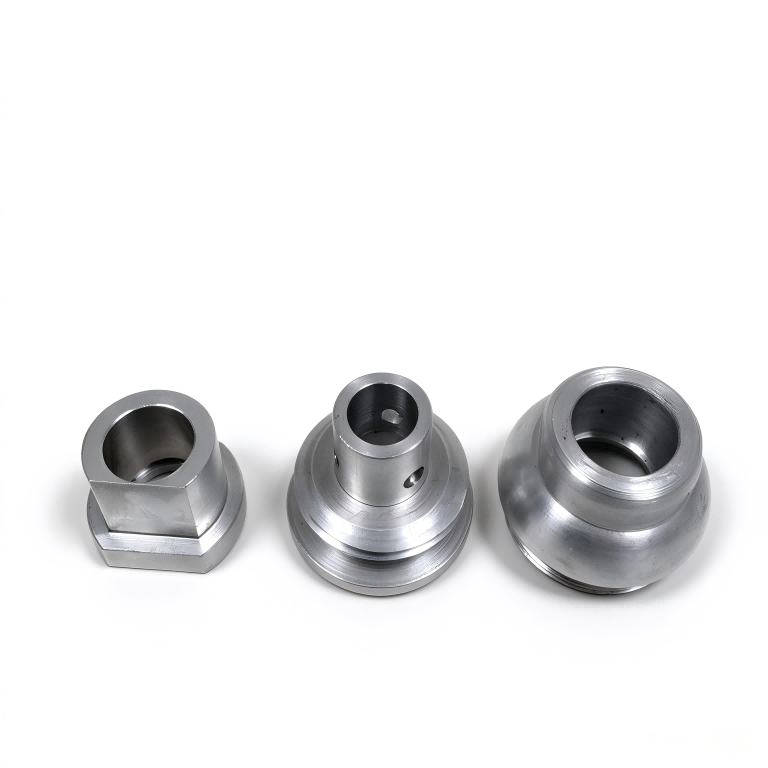
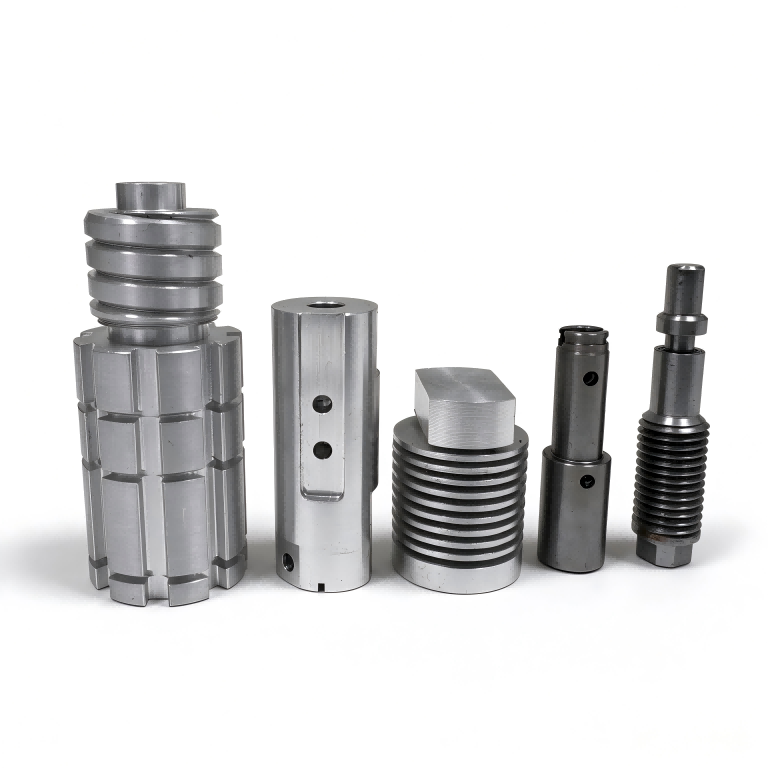
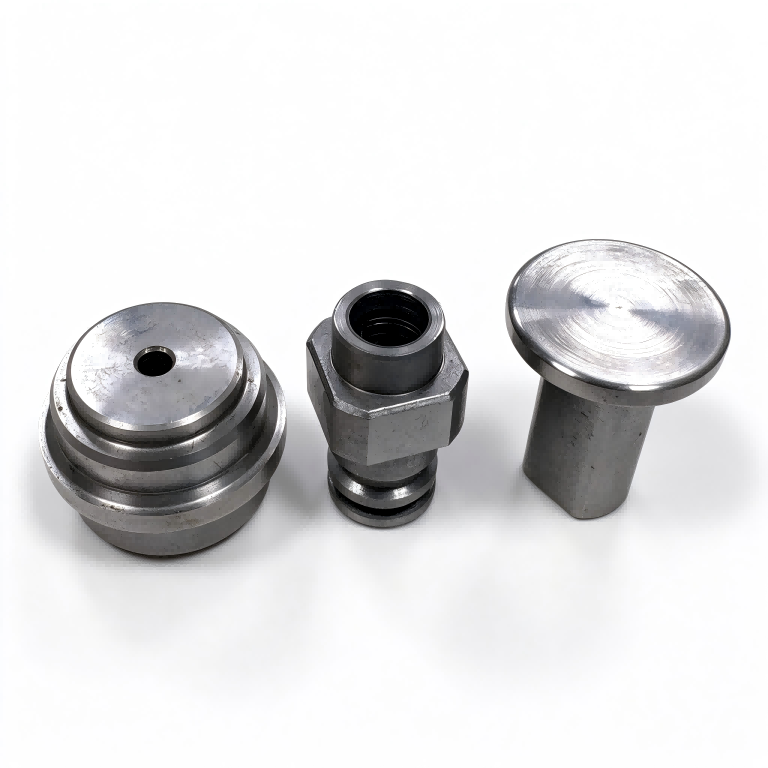
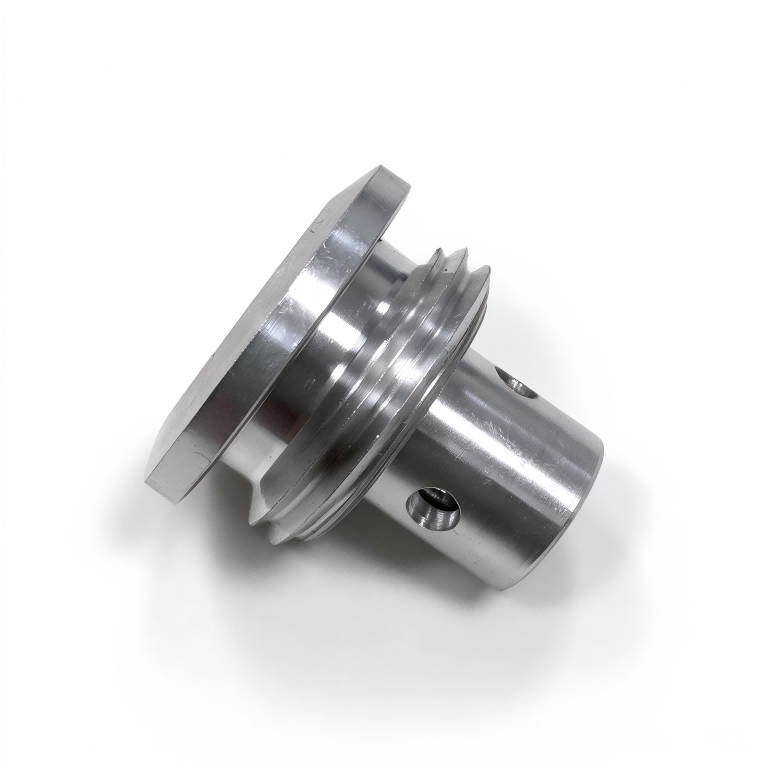
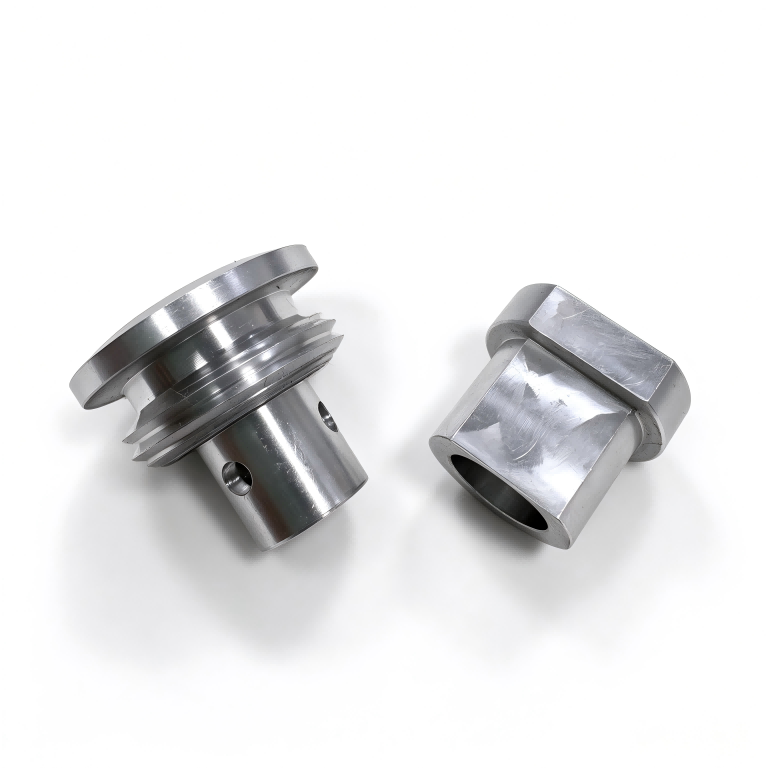
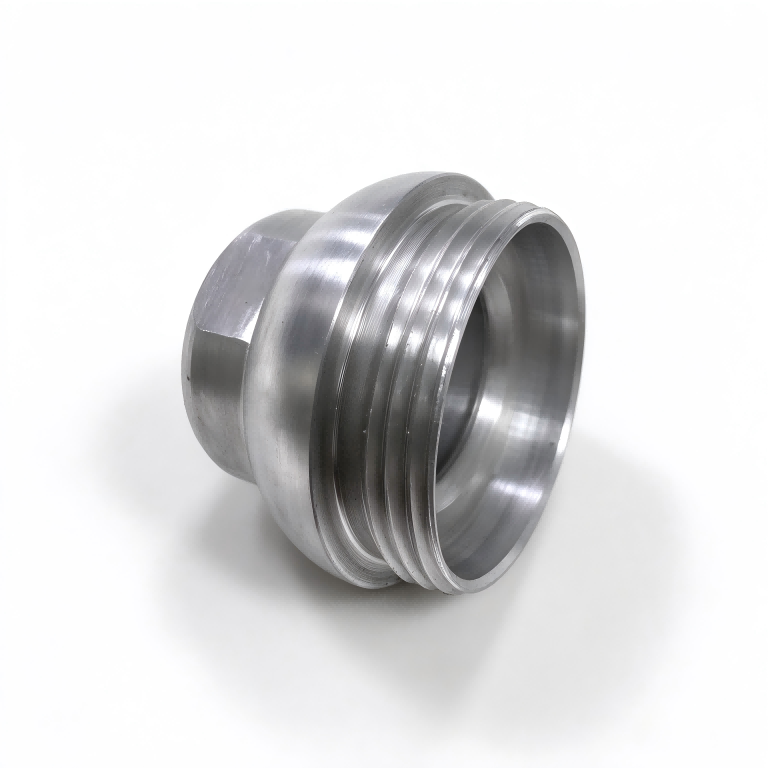
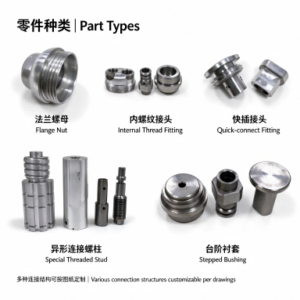
We produce strictly according to your drawings or samples. CNC turning delivers stable machining accuracy for complex features such as steps, inner bores, threads and slots. Secondary processing and surface treatment are available for transmission, connection, positioning and heat dissipation structures of different equipment.
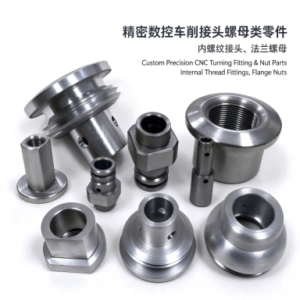
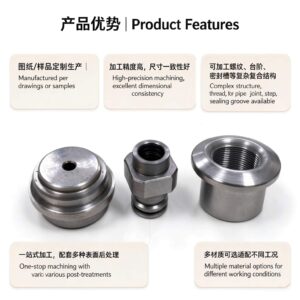
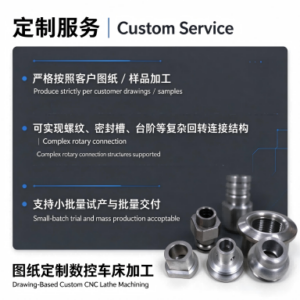
Material
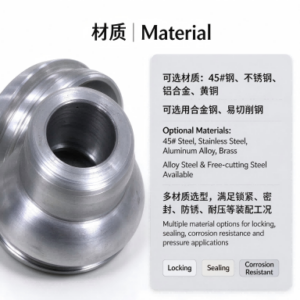
45# steel, stainless steel, aluminum alloy, brass (alloy steel, free-cutting steel optional)
Main Processes
1.CNC lathe turning
2.Internal & external thread machining, step forming, boring, sealing groove turning
3.Drilling, chamfering, cutoff
4.Deburring & finishing
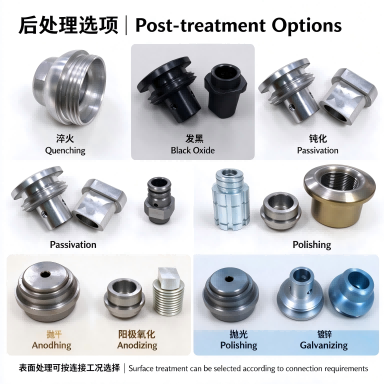
5.Optional post-treatment: quenching, black oxide, passivation, anodizing, polishing, galvanizing
Application
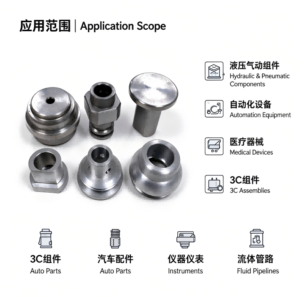
Precision connectors such as coupling nuts, sealing fittings and locking bushes for hydraulic & pneumatic components, automation equipment, medical devices, 3C assemblies, auto parts, instruments and fluid pipelines.
What is CNC Machining process?
CNC machining is a transformative manufacturing process that uses computer-controlled machines to remove material from a solid block (called a “blank” or “workpiece”) to create a precise part.
Think of it as a highly sophisticated, automated version of carving or sculpting, where a computer dictates the exact movements of cutting tools.
Types of CNC Machines
- CNC Mills (Milling Machines):Use rotating cutting tools to remove material. The workpiece is usually stationary, and the tool moves in multiple axes (3-axis, 4-axis, or 5-axis for extremely complex shapes).
- CNC Lathes (Turning Centers):Rotate the workpiece at high speed against a stationary cutting tool. Ideal for creating cylindrical or conical parts (like shafts, bushings).
- CNC Routers:Similar to mills but often used for softer materials (wood, plastics, composites) for sign-making, woodworking, and prototyping.
- CNC Plasma/Laser Cutters:Use a high-powered plasma torch or laser beam to cut through sheet metal.
- CNC Electrical Discharge Machines (EDM):Use controlled electrical sparks to erode material, perfect for very hard metals or intricate shapes.
Advantages of CNC Machining
- Extreme Precision & Accuracy:Can hold tolerances within +/- 0.025mm or better, repeatably.
- High Repeatability:Once programmed, it can produce hundreds or thousands of identical parts.
- Complexity:Capable of producing intricate geometries that would be impossible or very costly to make manually.
- Speed & Efficiency:Highly automated, capable of running 24/7 with minimal supervision.
- Material Versatility:Can machine a vast range of materials: metals (aluminum, steel, titanium), plastics, wood, foam, and composites.